
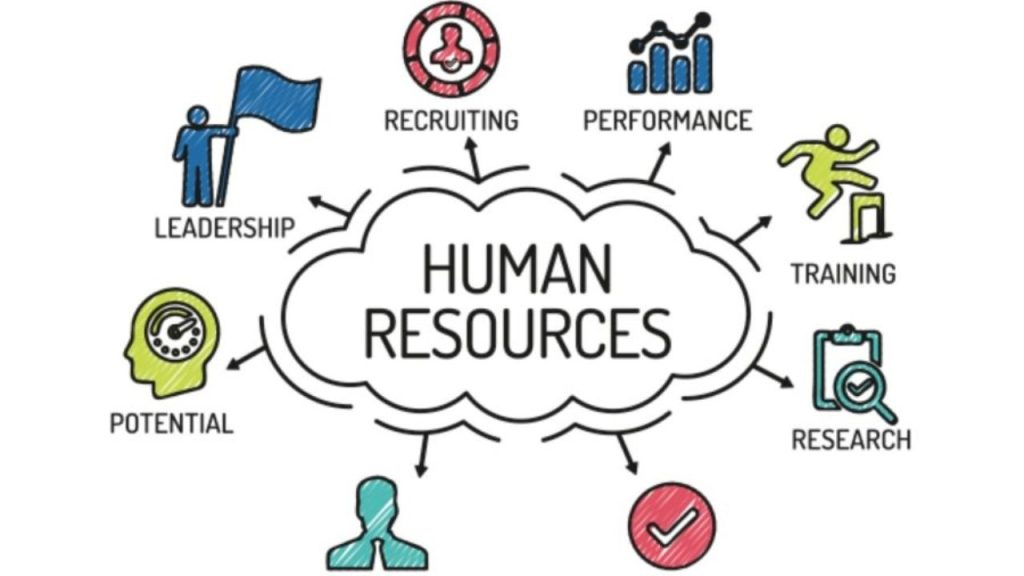
Human Resource Management (HRM) is crucial for any business’s success. Effective HRM ensures that the right people are in the right roles.
In today’s fast-paced world, managing human resources effectively is more important than ever. Companies must adapt to ever-changing labor markets, evolving technologies, and diverse workforces. HRM tools and techniques help businesses handle these challenges. They streamline processes and improve employee satisfaction.
From hiring to training to performance evaluation, these tools cover every aspect of HR. They make the HR team’s job easier and more efficient. Understanding these tools can give your business a competitive edge. Let’s explore how these tools and techniques can transform your HR practices.
Introduction To Hr Management
Human Resource Management (HRM) is a crucial aspect of any organization. It involves managing people within a company. HRM ensures that employees contribute effectively and efficiently to the overall goals. HR professionals handle recruitment, training, and employee relations. They also oversee benefits and compliance with labor laws.
Importance Of Hr Management
HR Management is vital for many reasons. It helps to recruit the right talent. Proper HR practices can boost employee morale. High morale leads to better productivity. HR also ensures compliance with labor laws. This prevents legal issues. Good HR practices can reduce employee turnover. Retaining employees saves time and money.
Role In Organizational Success
HR plays a key role in an organization’s success. HR professionals align the workforce with the company’s goals. They implement training programs. This keeps skills updated. HR also fosters a positive work environment. A happy workforce is more productive. They help in conflict resolution. This maintains a harmonious workplace.
Recruitment Tools
Recruitment tools are essential in modern Human Resource Management. These tools streamline the hiring process, making it more efficient and effective. Here, we will discuss two key recruitment tools that can help HR professionals find the right candidates: Applicant Tracking Systems (ATS) and AI in Recruitment.
Applicant Tracking Systems
Applicant Tracking Systems (ATS) are software solutions that automate the hiring process. They help HR teams manage job applications, screen resumes, and track candidate progress. An ATS can save time and reduce manual errors.
Key features of an ATS include:
- Resume Parsing: Extracts relevant information from resumes.
- Job Posting: Allows easy posting to multiple job boards.
- Candidate Screening: Filters applications based on set criteria.
- Interview Scheduling: Coordinates interview times with candidates.
Using an ATS ensures that no candidate is overlooked. It keeps the recruitment process organized and transparent.
Ai In Recruitment
AI in Recruitment leverages artificial intelligence to enhance the hiring process. AI tools can analyze large datasets and predict which candidates are best suited for a role. This technology can improve hiring accuracy and reduce bias.
Benefits of AI in Recruitment include:
- Automated Screening: AI can quickly screen resumes and identify top candidates.
- Chatbots: Engage with candidates to answer questions and schedule interviews.
- Predictive Analytics: Analyzes data to forecast candidate success in a role.
- Bias Reduction: Uses algorithms to make unbiased hiring decisions.
AI tools can transform the recruitment process, making it faster and more precise. They help HR teams find the best talent while ensuring fairness and efficiency.
Employee Onboarding Techniques
Employee onboarding is crucial for integrating new hires into your company culture. Effective onboarding ensures employees understand their roles and feel welcomed. It also boosts retention and productivity. Let’s explore some modern employee onboarding techniques.
Automated Onboarding Processes
Automated onboarding processes save time and reduce errors. They streamline tasks such as filling forms and setting up accounts. New employees can complete paperwork online before their first day. Automation ensures consistency and compliance with regulations. It also frees HR staff to focus on personalized support.
Virtual Onboarding
Virtual onboarding is essential for remote teams. It uses video calls and online resources to welcome new hires. This method includes virtual office tours and interactive training sessions. It helps new employees feel connected, even from a distance. Virtual onboarding also allows flexibility in scheduling sessions.
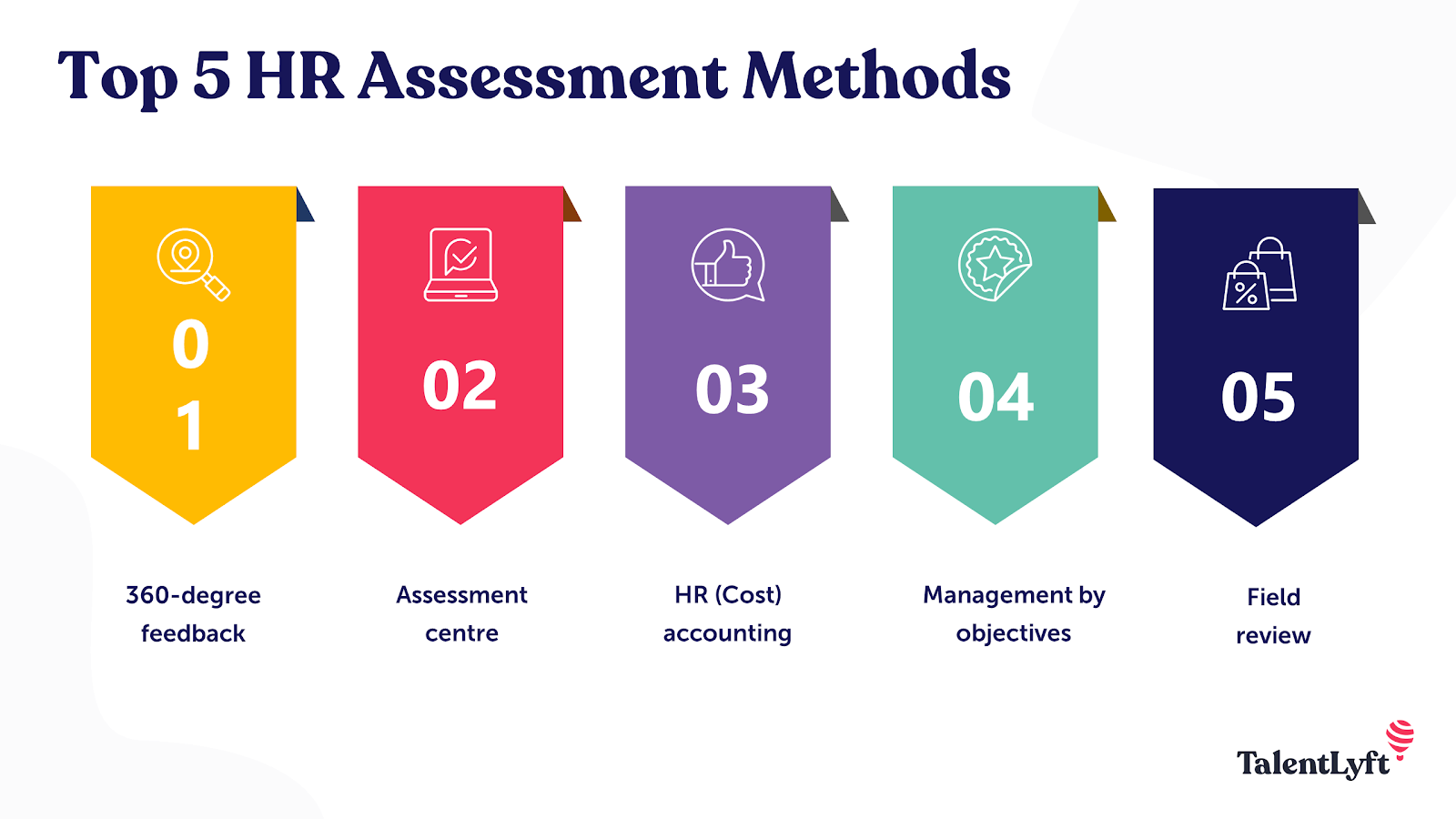
Credit: www.talentlyft.com
Performance Management Tools
Performance management tools are essential for ensuring employees meet their goals. These tools help in assessing, monitoring, and improving performance. They provide clear insights into employee productivity. Companies use these tools to align individual goals with organizational objectives. Let’s explore two important performance management tools.
360-degree Feedback Systems
A 360-degree feedback system collects feedback from various sources. These sources include peers, subordinates, managers, and even clients. This comprehensive feedback helps employees understand their strengths and areas for improvement. It encourages a culture of open communication.
Here are some benefits of using 360-degree feedback systems:
- Comprehensive insights: Multiple perspectives give a well-rounded view of performance.
- Identifies skill gaps: Highlights areas where employees need development.
- Encourages self-awareness: Employees become aware of their impact on others.
- Boosts engagement: Involves everyone in the performance review process.
Implementing a 360-degree feedback system can lead to improved employee development and organizational growth.
Performance Appraisal Software
Performance appraisal software simplifies the evaluation process. It automates the collection and analysis of performance data. This software ensures a fair and consistent appraisal process.
Key features of performance appraisal software include:
- Goal setting: Helps employees set and track their goals.
- Real-time feedback: Provides immediate feedback on performance.
- Performance tracking: Monitors progress over time.
- Reporting: Generates detailed performance reports.
Using performance appraisal software can save time and enhance accuracy. It ensures that evaluations are based on data, not just opinions.
| Feature | Benefit |
|---|---|
| Goal Setting | Aligns individual and company objectives |
| Real-time Feedback | Encourages continuous improvement |
| Performance Tracking | Provides a clear performance history |
| Reporting | Offers insights for data-driven decisions |
Adopting performance appraisal software can lead to better employee performance and organizational efficiency.
Employee Engagement Strategies
Employee engagement is essential for a productive workplace. Happy employees are more productive. They are also more loyal to their company. Human Resource Management tools and techniques help improve engagement. These strategies create a positive environment. They foster a sense of belonging and commitment.
Employee Surveys
Employee surveys are powerful tools. They provide insights into employee satisfaction. Surveys help HR understand what employees need. Regular surveys show employees that their opinions matter. This can lead to better workplace policies and practices. Anonymous surveys are best. They encourage honest feedback.
Recognition Programs
Recognition programs boost morale. They reward employees for their hard work. Recognizing achievements makes employees feel valued. It can be as simple as a thank you note. Or it can be a formal award. Regular recognition keeps employees motivated. It also promotes a culture of appreciation.

Credit: www.techfunnel.com
Learning And Development
Learning and development play a crucial role in Human Resource Management. Continuous growth benefits both employees and organizations. Effective tools and techniques can ensure successful learning programs. These programs boost skills and enhance job performance.
E-learning Platforms
E-learning platforms offer flexible and convenient training options. Employees can access courses anytime, anywhere. This flexibility helps in balancing work and learning. Interactive content keeps learners engaged. Multimedia elements, like videos and quizzes, make learning enjoyable. Many platforms offer progress tracking. This feature helps both employees and managers. They can monitor development and identify areas for improvement.
Personalized Training Programs
Personalized training programs cater to individual needs. They recognize that each employee has unique skills and goals. Tailored content keeps employees motivated. It ensures that training is relevant and impactful. Assessments help in identifying skill gaps. Customized plans address these gaps effectively. This approach leads to better retention and application of knowledge. Employees feel valued and supported, boosting their morale.
Hr Analytics
HR Analytics involves collecting and analyzing HR data. It helps improve decision-making. Through HR Analytics, companies gain insights. These insights lead to better HR strategies. HR Analytics covers many areas, including employee performance and retention.
Data-driven Decision Making
Data-driven decision making relies on data, not intuition. HR teams use data to guide their choices. This reduces guesswork and increases accuracy. For example, data can show which training programs work best. It helps in making more informed decisions.
Managers can see patterns in employee performance. They can then address issues before they grow. Data also helps in predicting future needs. This makes planning more effective and efficient.
Predictive Analytics
Predictive analytics uses data to forecast future events. In HR, it can predict employee turnover. It also helps in identifying high-potential employees. By knowing who might leave, companies can take action early. This reduces turnover costs and retains talent.
Predictive analytics also helps in workforce planning. It forecasts hiring needs based on current data. Companies can then prepare for future growth. This ensures they always have the right people in place.
Benefits Administration Tools
Managing employee benefits is crucial for Human Resource Management. Benefits administration tools make this task easier. They provide streamlined processes and accurate data management. Let’s explore two key tools: Self-Service Portals and Benefits Management Software.
Self-service Portals
Self-Service Portals empower employees to manage their own benefits. This tool reduces the workload on HR teams. Employees can access information anytime.
Self-service portals offer many features:
- View and update personal information
- Enroll in benefits programs
- Track benefit usage
- Access documents and forms
These features save time for both employees and HR staff. Employees feel more in control of their benefits. HR teams can focus on more strategic tasks.
Benefits Management Software
Benefits Management Software automates the administration of employee benefits. This tool ensures accuracy and efficiency. It manages enrollment, eligibility, and compliance.
Key features of benefits management software include:
- Automated benefits enrollment
- Real-time updates and notifications
- Integration with payroll systems
- Compliance tracking
These features help reduce errors and save time. The software provides a central hub for all benefits-related information. It simplifies the process for both employees and HR staff.
Benefits management software also offers reporting tools. These reports help HR teams make informed decisions. They track benefit usage and costs. This information is vital for planning and budgeting.
Using benefits administration tools can transform how HR teams manage employee benefits. Self-service portals and benefits management software provide efficiency, accuracy, and employee satisfaction. They are essential tools for modern HR management.
Future Trends In Hr Management
The landscape of Human Resource Management (HRM) is evolving rapidly. Technology is driving this change, impacting how HR professionals manage their tasks. Two significant trends shaping the future of HRM are remote work tools and AI-driven automation.
Remote Work Tools
Remote work has become a norm. Companies need robust tools to manage remote teams effectively. Video conferencing platforms like Zoom and Microsoft Teams are essential. They ensure seamless communication. Project management tools such as Trello and Asana help track tasks and deadlines. This keeps teams organized.
Here is a table of popular remote work tools:
| Tool | Purpose | Key Feature |
|---|---|---|
| Zoom | Video Conferencing | Breakout Rooms |
| Microsoft Teams | Collaboration | Integration with Office 365 |
| Trello | Project Management | Kanban Boards |
| Asana | Task Management | Timeline View |
Remote work tools also include cloud storage solutions. Examples are Google Drive and Dropbox. These tools ensure easy access to files. They also support collaborative work.
Ai And Automation
AI and automation are transforming HR processes. They make tasks more efficient and less time-consuming. For instance, AI-powered chatbots can handle employee queries. This saves HR professionals valuable time.
Here are some benefits of AI and automation in HR:
- Automated Recruitment: AI tools can screen resumes quickly.
- Data Analysis: AI can analyze employee performance data.
- Employee Engagement: AI tools can survey employee satisfaction.
Automation also helps in payroll processing. Tools like ADP and Gusto automate payroll tasks. This reduces errors and ensures timely payments. Performance management systems use AI to track and evaluate employee performance. This leads to fair and accurate assessments.
AI and automation in HR also enhance training and development. AI systems can personalize learning experiences. This ensures employees get the right training at the right time.
Overall, embracing these trends can lead to a more efficient and effective HR management system.

Credit: www.semanticscholar.org
Frequently Asked Questions
What Are Hr Management Tools?
HR management tools are software and applications that streamline HR tasks. They help manage recruitment, payroll, training, and employee performance.
Why Are Hr Tools Important?
HR tools are important because they increase efficiency. They automate repetitive tasks, ensure compliance, and improve employee engagement.
How Do Hr Tools Improve Productivity?
HR tools improve productivity by automating administrative tasks. They enable HR professionals to focus on strategic planning and employee development.
What Are Common Hr Management Techniques?
Common HR management techniques include performance appraisals, employee engagement surveys, and training programs. These techniques help in talent development and retention.
Conclusion
Effective human resource management tools and techniques streamline operations. They enhance employee satisfaction and productivity. Implementing these tools requires careful planning. Successful HR strategies rely on up-to-date technology. Regularly updating these tools keeps your organization competitive. Engage with your team to understand their needs.
This fosters a positive work environment. Utilize these techniques to manage your workforce efficiently. Your efforts will lead to a more motivated and productive team.
For The Best Hr Tools You Can Choose From Them.
